






The power of a tennis string
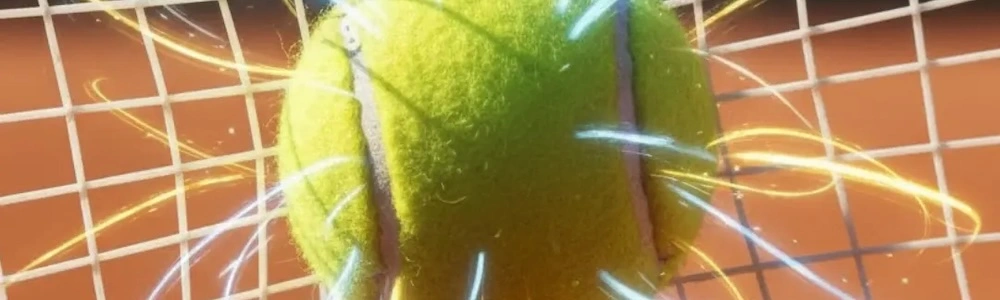
The power of a tennis string represents its ability to return energy to the ball during impact, directly influencing ball depth and the sense of propulsion perceived by the player. A high-power string generates a more elastic and responsive reaction; a low-power string offers a more dampened response focused on control.
Parameters influencing power
With the same racket, tension, and testing conditions, the power of a string is the result of the interaction between measurable physical components and perceptive components, which together define the overall string response.
Physical component
Energy dissipation (hysteresis)
From a physical standpoint, power is closely related to the amount of energy dissipated by the string during the loading and unloading phases of ball impact, a phenomenon described by the hysteresis cycle.
- Low hysteresis → less energy loss → higher power
- High hysteresis → greater energy loss → lower power
Strings that retain a higher proportion of elastic energy are more efficient in returning propulsion.
Structural component
Static stiffness
Static stiffness is one of the most relevant parameters in defining perceived power.
- High stiffness → greater control, lower power
- Low stiffness → greater elasticity, higher power
Static stiffness should be interpreted in relation to playing level, arm acceleration capability, and the player’s intrinsic power.
Perceptive component
Acoustic response
The sound generated at impact significantly influences the subjective perception of power. A louder and crisper impact is generally associated with a greater sense of liveliness and responsiveness, even though it does not directly modify measurable physical values.
Interpreting the data in Lab Tests
Within the context of Racketpedia Lab Tests, the power value should be interpreted as a comparative indicator, useful for comparing strings under identical testing conditions, understanding the balance between power and control, and supporting string selection based on playing style.
Power is not an absolute value and should be correlated with stiffness, control, comfort, and spin.
Technical summary
- High power → greater energy return, increased ball depth
- Low power → more dampened response focused on control
- Mainly depends on hysteresis, static stiffness, and acoustic perception
- By Gabriele Medri
- Tuesday 18 February 2025
- String characteristics