


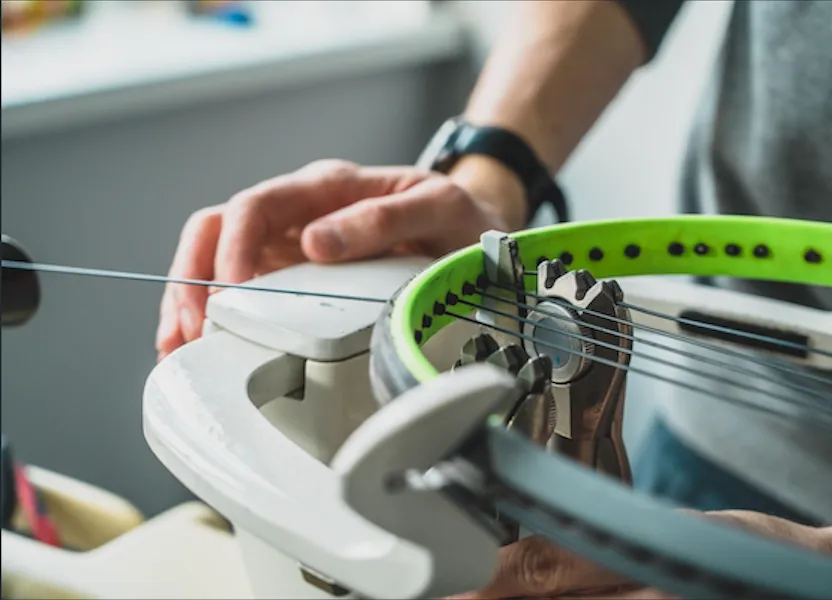
“More spin”, “more power”, “more control”: what do these claims really mean for tennis strings?
- Friday 16 October 2026
- String Characteristics, Stringing
“More spin”, “more power”, “more control”: marketing labels can help us navigate products, but they do not tell the whole story. Laboratory data lets us move beyond the claim.
Read more

How many hours should you play before changing your strings?
- Sunday 27 September 2026
- String Characteristics, Stringing
Strings can still be physically intact while having already lost an important part of their original characteristics. That is why useful life does not necessarily end when they break.
Read more
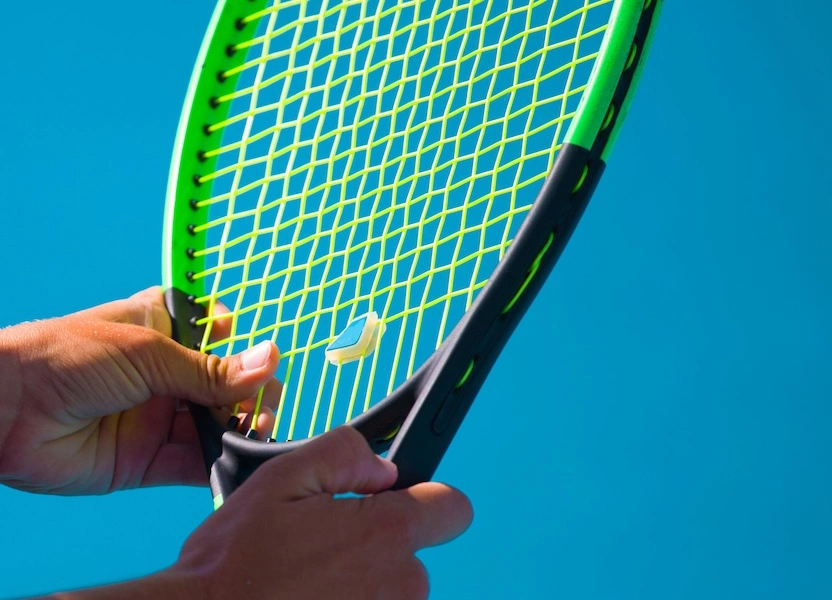
The ideal string tension does not exist: here’s why
- Monday 31 August 2026
- String characteristics, Stringing
22, 23 or 24 kg? Looking for one perfect number is the wrong approach. Tension only makes sense within a system made up of string, racket and player. Racketpedia Lab Tests and real Stringing Cloud data help put it into context.
Read more

Sergetti Stringing: Custom Stringing and Optimized Sweetspot
- Sunday 29 September 2024
- Stringing
Sergetti Stringing is a custom stringing system with string-by-string differentiated tensions, designed to improve stringbed uniformity, sweetspot size, comfort, and forgiveness on off-center hits.
Read more
Progressive Tension Stringing with Four Knots: Comfort and Sweetspot
- Tuesday 24 September 2024
- Stringing
Progressive tension stringing with four knots is an advanced technique that enhances comfort, tolerance, and stringbed uniformity. By adjusting tension according to string length, it enlarges the sweetspot and improves overall frame playability.
Read more
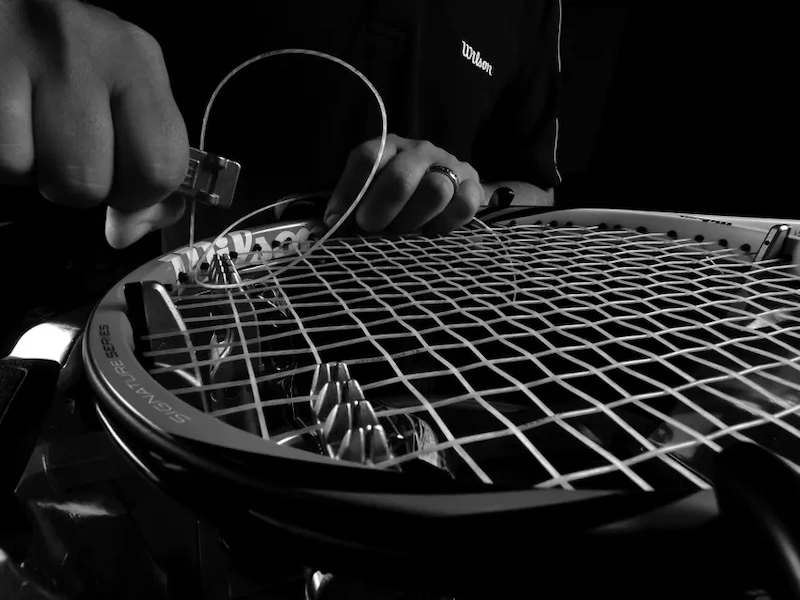
4-Knot Stringing with Differentiated Tensions: Benefits and Stringbed Performance
- Saturday 21 September 2024
- Stringing
4-knot stringing with differentiated tensions is an advanced setup designed to enhance comfort, forgiveness, and spin potential, optimizing stringbed performance without compromising frame safety.
Read more
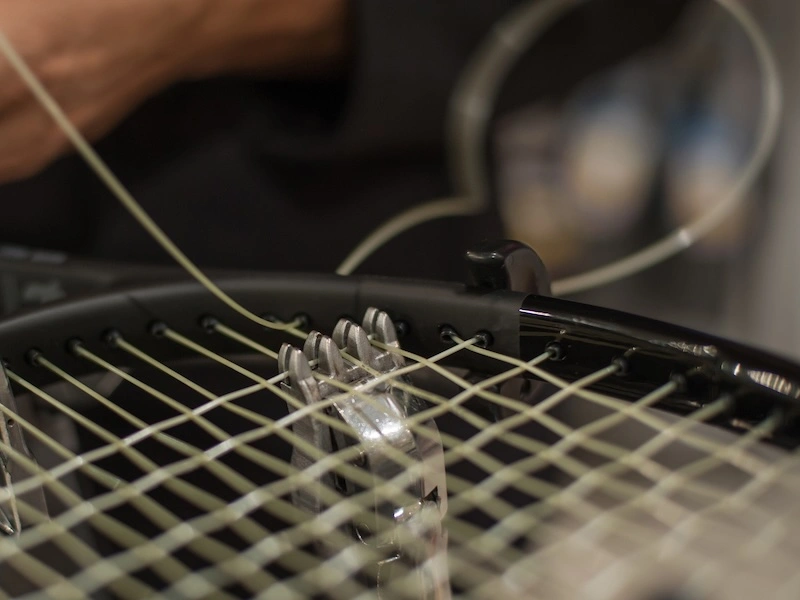
Uniform Four-Knot Stringing: Pros, Cons and Stringbed Behavior
- Sunday 1 September 2024
- Stringing
Uniform-tension four-knot stringing: how friction lowers effective tension on crosses and what that means for control, launch angle and feel. Pros, cons and ideal players.
Read more

Tennis Stringing Patterns Compared: 2-Knot vs 4-Knot
- Thursday 1 August 2024
- Stringing
An in-depth comparison of tennis stringing patterns, analyzing 4-knot and multiple 2-knot ATW methods alongside non-orthodox techniques, to highlight performance, uniformity, sweetspot behavior, and potential risks for the frame.
Read more